Ex Cameras: Bringing Clarity, Safety, and Insight to Hazardous Areas

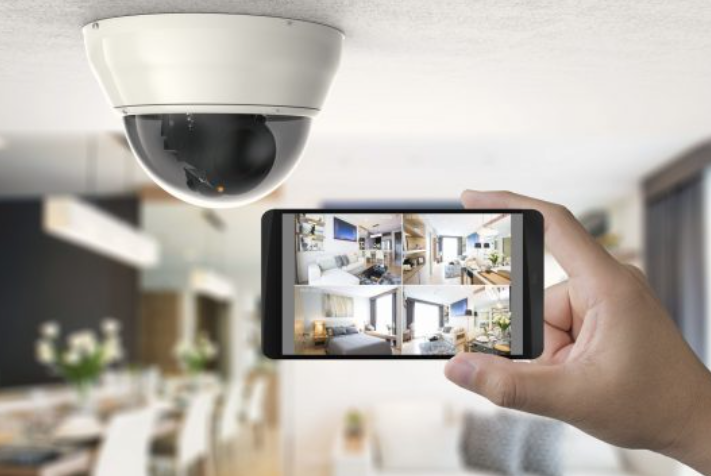
In hazardous industrial environments, seeing clearly is more than a convenience—it’s a safety-critical necessity. From oil and gas facilities and chemical plants to pharmaceuticals, food processing, and mining operations, teams need reliable visual oversight in zones where flammable gases, vapours, or dusts may be present. Yet in these ATEX-classified areas, standard CCTV and monitoring equipment can’t be used safely. That’s where ex cameras come in. Designed and certified specifically for use in potentially explosive atmospheres, ex cameras allow operators to monitor processes, equipment, and people in real time—without introducing an ignition risk. They combine rugged, explosion-proof construction with modern imaging technology to deliver the visibility today’s high-stakes industrial sites demand.
What Are Ex Cameras—and Why Do They Matter? Ex (explosion-proof / ATEX-certified) cameras are purpose-built for hazardous areas where a single spark or hot surface could ignite the surrounding atmosphere. Unlike conventional cameras, they are engineered so that any internal fault or heat build-up is safely contained within the housing. Key characteristics of ex cameras include:
Certified explosion protection for specific ATEX/IECEx zones and gas/dust groups
Rugged, sealed housings that prevent sparks, arcs, or hot components from contacting the external environment
Temperature control and management to ensure surface temperatures remain within safe limits
By using the right ex cameras, facilities can maintain essential visual coverage in hazardous zones, supporting safer operations, better decision-making, and stronger regulatory compliance.
Where Ex Cameras Make the Biggest Impact Ex cameras play a critical role across a wide range of applications, including:
Process monitoring – Keeping a close eye on reactors, mixers, pumps, flare stacks, and other critical process equipment without sending personnel into hazardous areas unnecessarily.
Perimeter and access control – Monitoring gates, walkways, platforms, and restricted zones to enhance safety and security.
Tank farms and loading areas – Observing loading/unloading operations, detecting leaks or spills, and verifying safe procedures at a distance.
Remote or hard-to-reach locations – Providing continuous visual oversight in areas that are difficult or risky for personnel to access regularly.
By delivering live and recorded video from these environments, ex cameras help teams spot anomalies early, respond quickly to incidents, and reduce the need for physical presence in potentially dangerous zones.
Key Benefits of Ex Cameras in Hazardous Environments
- Enhanced safety and risk reduction Ex cameras are fundamentally about safety. They:
Reduce the need for personnel to enter hazardous areas for routine checks
Support faster identification of leaks, abnormal behaviour, or unsafe activities
Provide visual confirmation during alarms, shutdowns, or emergency responses
This helps organisations protect their workforce while maintaining essential visibility into critical operations.
- Operational efficiency and uptime With clear visual access to equipment and processes, operators can:
See also: A Flood-Proof Home’s Major Features
Diagnose issues more rapidly
Verify start-up and shutdown sequences from a safe location
Monitor multiple areas simultaneously from central control rooms
This improved situational awareness translates into faster decision-making, reduced downtime, and smoother day-to-day operation.
- Better documentation and compliance Recorded footage from ex cameras can support:
Incident investigations and root cause analysis
Proof of proper procedure during audits or regulatory reviews
Training materials based on real-site conditions and scenarios
This visual record strengthens compliance and supports continuous improvement across the site.
What to Look For When Choosing Ex Cameras Selecting the right ex cameras for your facility means balancing safety, performance, and practicality. Important factors include:
- Certification and classification Ensure each camera:
Is certified for the specific ATEX/IECEx zone (e.g. Zone 1/21 or Zone 2/22) where it will be installed
Matches the relevant gas and/or dust group classification
Comes with clear documentation for safety, engineering, and compliance teams
Correct classification is essential to meeting legal and regulatory requirements.
- Image quality and functionality In demanding environments, clear images are crucial. Consider:
Resolution (HD/Full HD/4K) to capture sufficient detail
Low-light or IR capabilities for night-time or poorly lit areas
Zoom and focus options for close inspection of equipment
PTZ (pan-tilt-zoom) functionality where broader coverage is needed
The right imaging features ensure operators can see what they need, when they need it.
- Ruggedness and environmental protection Ex cameras for industrial environments should offer:
High IP ratings for protection against dust and water
Robust housings suitable for corrosive or offshore conditions
Resistance to vibration, temperature extremes, and physical impact
This durability helps ensure long service life and dependable performance in the field.
- Integration and connectivity To deliver maximum value, ex cameras should integrate smoothly with existing systems:
Compatibility with standard video management systems (VMS)
Support for common network protocols and power options (e.g. PoE)
Flexible mounting and cabling options to suit the site layout
Good integration keeps deployment straightforward and makes ongoing operation more efficient.
Ex Cameras as a Strategic Safety and Operations Tool When thoughtfully specified and deployed, ex cameras become far more than compliance-driven hardware. They evolve into a strategic tool that:
Strengthens safety culture by reducing unnecessary exposure to hazards
Improves operational visibility, responsiveness, and control
Supports incident prevention, investigation, and continuous improvement
Helps sites meet and demonstrate adherence to regulatory requirements
In hazardous industries, the ability to see clearly—without compromising safety—is invaluable. Ex cameras deliver that capability, quietly supporting safer, smarter operations every day.About Specifex: Specifex offers a specialist range of ex cameras engineered for hazardous industrial environments, combining certified explosion protection with reliable performance and high-quality imaging. From process monitoring to perimeter surveillance, our solutions help operators gain essential visibility in ATEX-classified zones while maintaining strict safety and compliance standards. Explore the full collection of ex cameras at Specifex.