Top Trends Office Furniture Dealers Recommend for Modern Workspaces in 2026

Workplaces in 2026 are rapidly evolving as companies shift toward flexible, tech-enabled, and wellness-focused environments. This arises from the changes in the workplace as well, which is now constantly moving in the direction of a flexible, tech-enabled, and wellness-focused working environment. This requires an organisation to strike a balance between the demands of hybrid work and worker health, making the expertise of an office furniture dealer more precious than ever. Offices today have to be well strategised for productivity, collaboration, and comfort.
Flexible, Modular Furniture
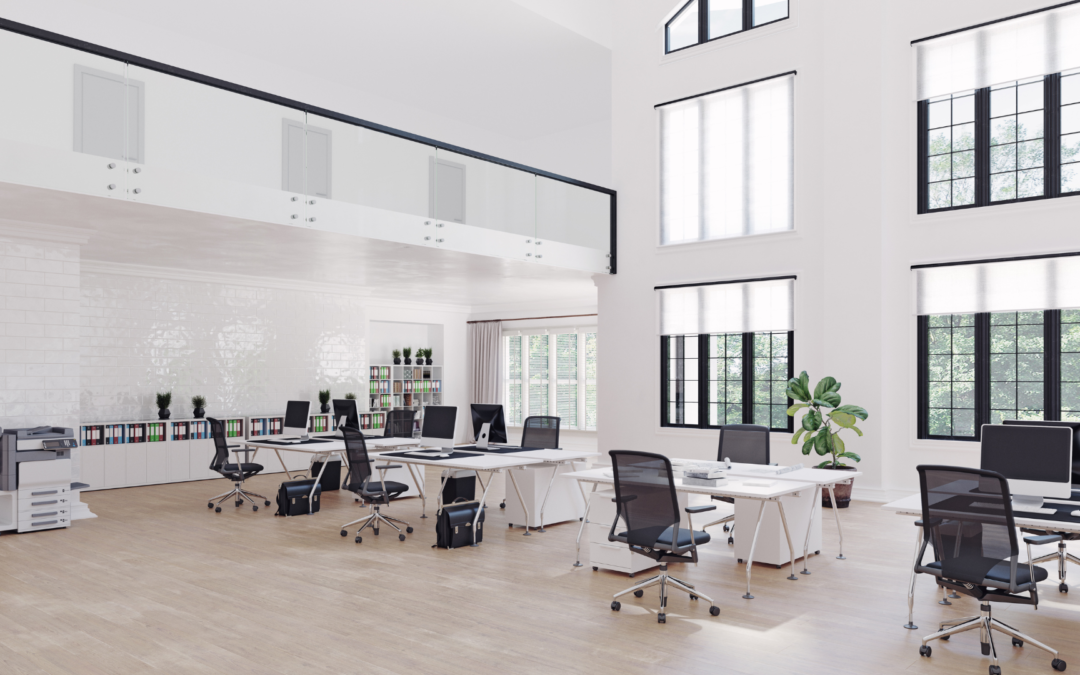
One of the strongest trends shaping modern workspaces is modular furniture. Businesses today prefer pieces that can be rearranged easily depending on meeting styles, team sizes, or project demands. Benching systems, mobile desks, reconfigurable tables, and foldable partitions enable companies to adjust their layout without costly renovations. This flexibility ensures that teams can shift between collaborative brainstorming and focused individual work without interruptions.
Ergonomic Solutions
Ergonomics is one aspect of office planning that no one today will compromise. Height-adjustable desks, lumbar-support chairs, and ergonomically angled monitor arms help reduce strain and prevent discomfort from becoming chronic in later years. A glance ahead into 2026: companies are much more aware of employee mobility and are incorporating more move-friendly aspects in their office furniture by deploying sit-stand workstations, active seating, and even treadmill desks. This not only helps a lot in maintaining good posture, but also supports general employee wellness.
Technology-Integrated Furniture
Because digital collaboration is fundamental to contemporary organizations, technology-enabled furniture is vastly popular now. Desks with built-in charging ports, wireless power pads, concealed cable management, and conference tables with integrated AV systems form a seamless working environment. Many companies have invested in smart furniture that knows occupancy, utilizes energy effectively, and adjusts settings to preferences. All these improvements significantly reduce chaos while simplifying the procedure and improving efficiency.
Sustainable and Biophilic Design
Sustainable development as a reprioritized course of action reflects through the industry sector, and trends for the year 2026 are characterized by environmentally conscious materials. Controlled environmental impact from consideration of materials is only the tip of the iceberg. Low VOC finishes and a plethora of eco-friendly resources, at times with a guarantee of high durability, are among other things considered to be a position the industry might electively seek to accept.
Privacy Pods and Acoustic Strategies
Hybridization may provide the solitary booth and acoustic options as new kinds to an office space. Phone booths, focus pods, and soundproofing partitions may cut down distractions for employees doing video chat or deep-focus tasks. By creating more concentrated workspaces, those areas foster a positive work environment where remote collaboration and on-premises staff activities can cooperate more efficiently.
Companies working in this industry, like SKG, specialize in helping organizations across sectors create efficient, future-ready workplaces with the right combination of office furniture, technology, and processes.
Conclusion
As businesses redefine productivity and collaboration, the trends shaping modern office environments are becoming more strategic and employee-centered. With an experienced office furniture dealer, companies can ensure they are investing in solutions that support flexibility, well-being, and long-term efficiency. The right furniture choices from ergonomic setups to modular systems to tech-integrated designs have played a major role in building workspaces that empower teams and are designed to adapt to the future of work in 2026 and beyond.