Obsessed with Perfection? How to Spot Unhealthy Beauty Behaviors

Maintaining a skincare routine or enjoying beauty treatments can be a positive form of self-care. However, when the desire to look perfect turns into an obsession, it may harm rather than help your mental health. Quoting news from the portal pafikutaikab.org psychologists warn that this growing fixation often fueled by social media and unrealistic beauty standards can lead to anxiety, stress, and even body image disorders.
So, how can you tell if your beauty habits have crossed the line from self-care to self-criticism? Here are some signs to look out for.
1. When Beauty Routines Become Compulsions
According to Dr. Adinda Rahmawati, a clinical psychologist from Universitas Indonesia, healthy self-care routines are flexible — they make you feel good, not pressured. “If you start to feel anxious when you skip your skincare steps or can’t leave the house without makeup, that’s a red flag,” she said.
This behavior often reflects compulsive tendencies where people feel the need to constantly fix or control their appearance to feel adequate. It may also stem from deeper emotional needs such as insecurity, perfectionism, or fear of judgment.
Dr. Adinda explained that while discipline is part of a good habit, “when it becomes rigid or obsessive, it’s no longer about caring for yourself — it’s about control.”
2. Comparing Yourself Constantly to Others
Scrolling through social media filled with flawless faces can unconsciously distort how people see themselves. Psychologists call this appearance-based comparison, and it’s one of the strongest predictors of body dissatisfaction.
“When someone spends hours comparing their skin, body, or hair to influencers, they begin to internalize unrealistic standards,” Dr. Adinda said. “They may start believing their worth depends on how perfect they look.”
This pattern often leads to excessive product use, frequent cosmetic procedures, or even emotional distress when results don’t meet expectations. Over time, the cycle of comparison and disappointment can erode self-esteem.
3. Spending Excessive Time and Money on Appearance
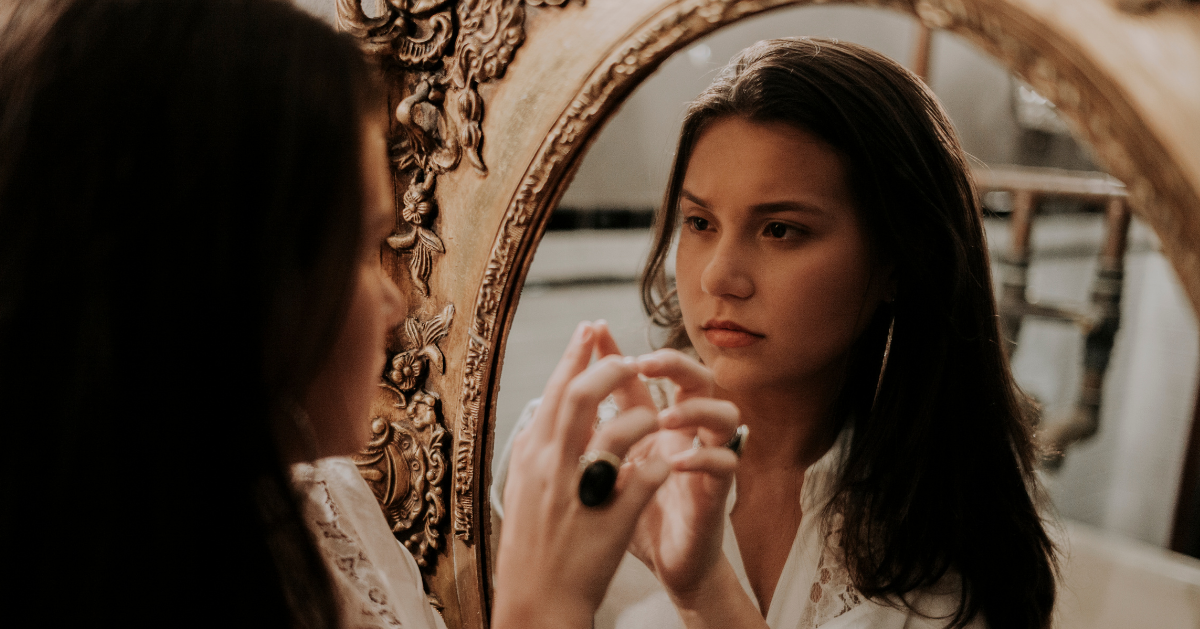
Another sign of unhealthy beauty obsession is when people spend disproportionate amounts of time or money chasing perfection. For example, feeling guilty for missing an appointment, constantly buying new skincare lines, or repeatedly seeking “miracle” products are warning signs.
Dr. Adinda noted, “If beauty routines start interfering with your finances, social life, or mental peace, it’s no longer self-care — it’s self-pressure.”
Some individuals even experience body dysmorphic disorder (BDD) — a mental health condition where they fixate on minor or imagined flaws. BDD can cause severe distress and requires professional help.
Finding Balance in Self-Care
Experts agree that it’s important to shift the focus from “perfecting” appearance to nurturing well-being. Self-care should include rest, mindfulness, and emotional healing — not just beauty products.
“Beauty can be empowering,” Dr. Adinda said, “but true confidence comes from self-acceptance, not constant correction.”
If you suspect your habits are becoming unhealthy, try limiting screen time, practicing gratitude for your body, and consulting a psychologist if the anxiety persists.
The Bottom Line
There’s nothing wrong with wanting to look your best. But when self-care turns into an endless pursuit of perfection, it can harm both your mental and emotional health.
As Dr. Adinda concluded, “Caring for your body should make you feel calm — not consumed.”
Source: Pafikutaikab