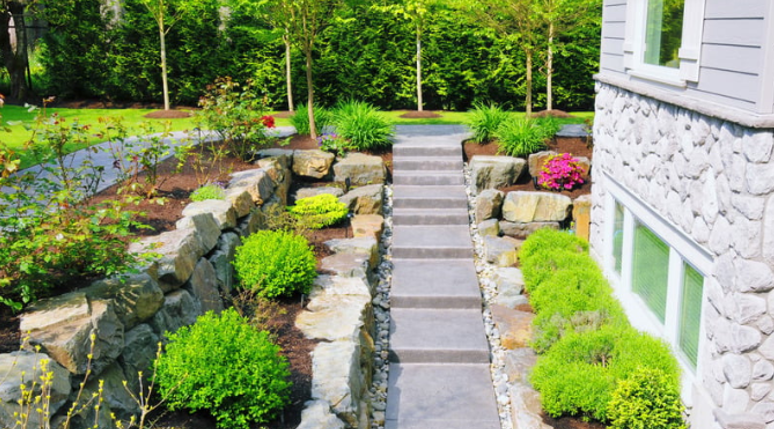
Why Soil Health Must Be a Foundation for Landscaping

A strong, beautiful landscape begins with healthy soil. While plants, trees, and stone features may capture the eye, none of them thrives without a well-prepared base. Soil is the foundation that supports plant growth, improves drainage, and contributes to long-term sustainability. For anyone investing in landscaping in Alpharetta, prioritizing soil health from the very beginning is not just smart, it’s essential.
The Role of Soil in Lasting Landscapes
Healthy soil is rich in organic matter, microorganisms, and essential nutrients. These elements work together to strengthen plant roots, regulate moisture, and defend against disease. When soil is compacted, poorly drained, or nutrient-deficient, plants become vulnerable to stress, pests, and poor development. Professionals often begin landscaping projects with a thorough soil assessment to ensure the conditions are right for optimal plant performance.
Incorporating design elements that complement soil integrity is equally important. For example, integrating creative river rock landscaping ideas for every garden adds not only a decorative touch but also serves a functional role. Rocks help minimize erosion, manage runoff, and protect areas of soil from compaction. These enhancements contribute to a more stable and low-maintenance outdoor environment while reinforcing the health of the underlying soil.
See also: How Professional Home Builders Integrate Smart Technology into New Homes
Soil Health Supports Efficient Water Use
Another benefit of quality soil is its impact on water efficiency. Properly balanced soil retains moisture more effectively and allows for deeper root penetration. This reduces the frequency and volume of irrigation required, saving both water and maintenance costs.
Water efficiency in landscaping also relies on smart design strategies. Practices such as water-efficient landscaping and its smart solutions for the yard focus on aligning plant selection, irrigation systems, and mulch use with the condition of the soil. These techniques enhance soil performance while helping landscapes remain lush and healthy during dry periods or drought-prone seasons.
Professional Practices for Soil Improvement
Maintaining good soil health is not a one-time task. It requires consistent evaluation and professional care. Soil testing is the first step in identifying imbalances or deficiencies. Based on the results, landscapers may apply organic compost, adjust pH levels, or improve structure through aeration and tilling.
Once established, soil must be protected from erosion, overwatering, and nutrient depletion. Professionals use mulch and ground covers to shield the surface, while root-friendly irrigation systems prevent over-saturation. They may also rotate plant types or adjust planting patterns to maintain biodiversity, which naturally improves soil quality over time.
Routine care ensures that landscapes remain vibrant with minimal chemical input. This approach supports long-term health and aligns with environmentally responsible landscaping practices.
Conclusion
Soil health is the hidden force behind every successful landscape. Without it, even the best designs fall short in durability and function. From improved water management to stronger plant systems, healthy soil lays the groundwork for landscapes that thrive through every season. When professionals place soil at the center of the process, the result is a resilient, sustainable, and visually stunning outdoor space that lasts for years to come.
Choosing to invest in soil preparation and ongoing care not only protects the landscape’s aesthetic value but also reduces long-term maintenance needs. Property owners can enjoy fuller plant growth, fewer pest issues, and improved drainage without excessive water use or chemical treatments.